iPhone 17 vs Peers from major brands: can one smartphone 'rule them all'?
Five strong phones, but one pocket. So, one decision.
The iPhone 17, Galaxy S26, Pixel 10, Xiaomi 17 and OnePlus 15 all launched around the same time, and each one wins on something different: battery, camera, hardware value, or the ecosystem you already live in.
This comparison breaks down every dimension that matters: display and portability, performance and gaming, cameras, battery, connectivity, software and long-term support. Then it covers what buying any of these five refurbished saves you, in money and in resources.
One phone got left out on purpose. The Galaxy S26+ is a size-up model, not a direct rival to the standard iPhone 17, so it sits outside this comparison.
Quick verdict: which should you buy?
Galaxy S26, if you want the closest match to the iPhone 17's size and weight, in a lighter body with more Android customisation.
Pixel 10, if camera zoom and Google's AI features (real-time translation, call screening) matter most to you.
Xiaomi 17, if you want the most hardware for the size: the biggest battery here, the fastest charging, and three 50MP cameras.
OnePlus 15, if battery life and gaming performance matter more than a compact, one-handed body.
iPhone 17, if you're already using a Mac, Apple Watch or AirPods, or video quality is your priority.
iPhone 17 vs Galaxy S26 vs Pixel 10 vs Xiaomi 17 vs OnePlus 15: specs compared
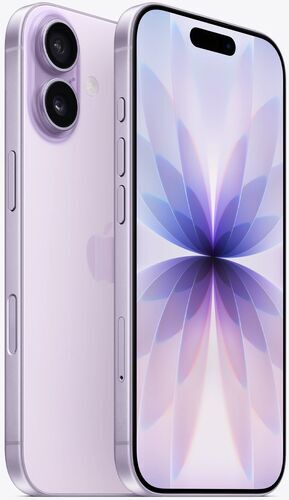
Display
6.3" OLED, 120Hz
Weight
177g
Chip
Apple A19
Rear cameras
48MP + 48MP ultrawide
Front camera
18MP
Battery
3,692mAh
Wi-Fi
Wi-Fi 7
USB
USB-C 2.0
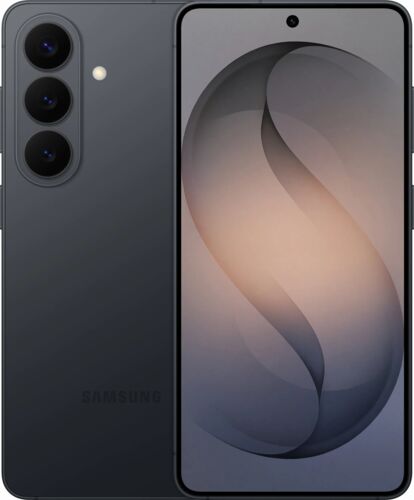
vs.
6.3" AMOLED, 120Hz
167g
Samsung Exynos 2600
50MP + 12MP ultrawide + 10MP 3x tele
12MP
4,300mAh
Wi-Fi 7
USB-C 3.2
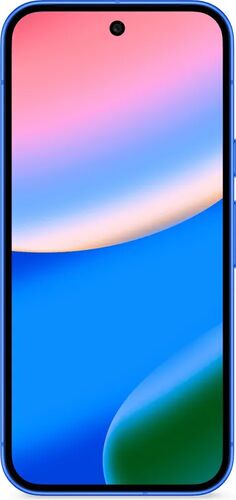
vs.
6.3" OLED, 120Hz
204g
Google Tensor G5
48MP + 13MP ultrawide + 10.8MP 5x tele
10.5MP
4,970mAh
Wi-Fi 6E
USB-C 3.2
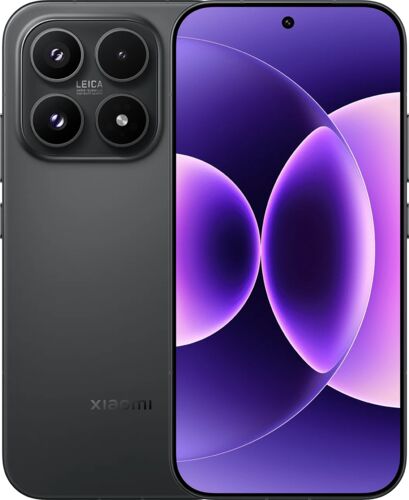
vs.
6.3" AMOLED, 120Hz
191g
Snapdragon 8 Elite Gen 5
50MP + 50MP ultrawide + 50MP tele
50MP
6,330mAh
Wi-Fi 7
USB-C 3.2
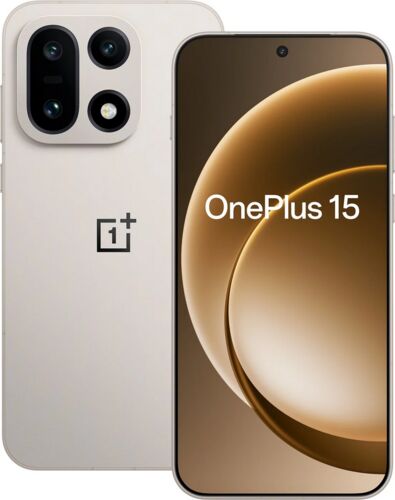
vs.
6.72" AMOLED, 165Hz
211g
Snapdragon 8 Elite G5
50MP + 50MP periscope tele + 50MP ultrawide
32MP
7,300mAh
Wi-Fi 7
USB-C 3.2
1. Display, size and portability: how do they feel in the hand?
All five sit around a 6.3 inch screen, except the OnePlus 15, which goes bigger at 6.72 inches. Weight is where the real differences show up.
- Galaxy S26: the lightest of the five at 167g, ten grams under the iPhone 17, according to The Guardian's review.
- iPhone 17: 6.3 inch display, 177g.
- Xiaomi 17: 191g, a sharp, high-resolution display with exceptional density for the footprint per PhoneArena's testing.
- Pixel 10: the heaviest at 204g.
- OnePlus 15: 211g and the largest frame here, built for people who want a bigger canvas over one-handed comfort.
If pocketability and one-handed use are the priority, the Galaxy S26 and iPhone 17 are the two to compare directly. If you want the biggest screen, the OnePlus 15 is the outlier here.
2. Processing, gaming and cooling: which one stays smooth under pressure?
- iPhone 17: the A19 chip handles everyday use without hesitation, but WIRED found it can heat up and stutter in the most demanding games, since the base model skips a vapor chamber.
- Galaxy S26: pairs a Samsung Exynos 2600 (in Europe) with excellent thermal stability.
- Pixel 10: the Tensor G5 stays smooth for everyday use and AI features, but Android Authority found it well behind in gaming benchmarks.
- Xiaomi 17 and OnePlus 15: both run a Snapdragon 8 Elite chip with serious cooling hardware. WIRED singled out the OnePlus 15 specifically for gaming: a flawless, sustained Genshin Impact test with no uncomfortable heat.
If gaming performance is the deciding factor, the OnePlus 15 and Xiaomi 17 lead. If it's daily smoothness for calls, apps and browsing, all five handle that comfortably.
3. Cameras and video: is there a single winner?
No. Each phone wins on something different here.
- iPhone 17: strongest for video, moving subjects and selfies, with a 48MP main and 48MP ultrawide camera, though it skips a dedicated telephoto lens. WIRED found it sharper and more natural than the Pixel in many main-camera comparisons, and substantially better for video, but criticised the missing telephoto.
- Pixel 10: the pick for long-distance photography and dependable point-and-shoot results, thanks to a genuine 5x telephoto alongside its 48MP main and 13MP ultrawide.
- Xiaomi 17: the most camera hardware of the five, three 50MP cameras including a 2.6x floating telephoto and macro lens, though PhoneArena notes colour consistency varies between lenses.
- Galaxy S26: a balanced 3x system (50MP main, 12MP ultrawide, 3x telephoto), but Android Central points out the hardware has barely changed since the Galaxy S22 generation.
- OnePlus 15: versatile with three 50MP cameras and a 3.5x telephoto, though low-light sharpness and video consistency trail the iPhone and Pixel.
4. Battery and charging: which one lasts the day?
- OnePlus 15: wins decisively, a 7,300mAh battery with 80 to 100W wired charging and 50W wireless. Tom's Guide recorded 25 hours 13 minutes in its standardised battery test.
- Xiaomi 17: close behind, a 6,330mAh silicon-carbon battery with 100W wired, 50W wireless charging. PhoneArena measured 24 hours 48 minutes of continuous browsing, though heavy gaming cuts into that lead.
- iPhone 17: strong all-day endurance with 25W MagSafe and Qi2 charging that gets you to 50% in 20 minutes.
- Pixel 10: a 4,970mAh battery that usually covers a full day, charging at roughly 27 to 30W wired or 15W wireless.
- Galaxy S26: the weak point here. Despite a 4,300mAh battery, Tom's Guide's web test recorded only 11 hours 28 minutes, and charging tops out at a slow 25W wired, 15W wireless.
Cross-publication test numbers should not be compared literally since each outlet runs a different test, but every major review places the OnePlus 15 and Xiaomi 17 at the top for battery life.
5. Connectivity, durability and hardware extras
- Wi-Fi: iPhone 17, Galaxy S26, Xiaomi 17 and OnePlus 15 all run Wi-Fi 7; only the Pixel 10 is on the older Wi-Fi 6E standard.
- Extra hardware: the iPhone 17 is the only one here with Ultra Wideband and built-in satellite safety messaging.
- Charging convenience: the iPhone 17 and Pixel 10 both have Qi2 magnetic alignment built in; the Galaxy S26, Xiaomi 17 and OnePlus 15 don't.
- Multitasking: the Galaxy S26 is the only one with Samsung DeX, turning the phone into a basic desktop when connected to a monitor.
- File transfers: the Pixel 10, Galaxy S26, Xiaomi 17 and OnePlus 15 all use faster USB 3.2, while the iPhone 17 sticks with slower USB 2 speeds.
- Extra convenience: the Xiaomi 17 and OnePlus 15 both add an infrared blaster, handy for controlling a TV or air conditioner directly from the phone.
6. Software, AI and ecosystem: which one fits how you already use tech?
- iOS 26 (iPhone 17): polished and predictable, with the tightest Mac, Apple Watch and AirPods integration and strong privacy controls, though it's less customisable and Google still leads on voice typing and AI.
- One UI 8.5 (Galaxy S26): the most customisation, multitasking and Galaxy AI tools, at the cost of a visually busier interface.
- Clean Android (Pixel 10): the deepest Gemini integration, call screening, live translation and Magic Cue, though some of those AI features remain inconsistent or region-limited according to Android Authority and TechRadar.
- HyperOS 3 (Xiaomi 17): extensive features and Xiaomi device integration, but PhoneArena found it less refined and more idiosyncratic than the others.
- OxygenOS 16 (OnePlus 15): fast and customisable with good multitasking, though WIRED notes its AI prompts can feel aggressive.
The honest answer here is less about which is best and more about which ecosystem you're already using.
7. Software updates and long-term ownership
This one matters more than it seems for a refurbished purchase: a longer update runway means a longer useful life for the phone you're buying today.
- Galaxy S26: 7 Android version upgrades and 7 years of security updates, through 2033.
- Pixel 10: 7 years of OS, security and Pixel Drop updates, through 2032.
- Xiaomi 17 and OnePlus 15: 4 major Android upgrades and 6 years of security updates each.
- iPhone 17: no fixed promise from Apple, but its historical pattern runs 5 to 7 years of major iOS updates, with security support often lasting longer still.
Which one should you buy?
Get the Galaxy S26 if you want the closest like-for-like Android substitute: same compact size, ten grams lighter, plus Samsung DeX for occasional desktop-style work.
Get the Pixel 10 if camera zoom and Google's AI tools matter more than raw gaming performance.
Get the Xiaomi 17 if you want the most hardware for your money: the biggest battery, fastest charging and most camera hardware here, and you don't mind HyperOS.
Get the OnePlus 15 if battery life and gaming performance outrank a compact, one-handed body.
Get the iPhone 17 if you're already invested in a Mac, Apple Watch or AirPods, or video quality is what you use your phone for most.
There's no universal best phone among these five. The right one depends on the ecosystem you're already in and which trade-off you're willing to live with.
What real owners say
Expert reviews are one thing; people living with these phones day to day are another. Treat the following as anecdotal signals, not controlled testing.
iPhone 17 owners on MacRumors consistently praise the portability, the 120Hz display and the camera, coming from older iPhones. A separate battery-focused thread has mixed early reports, often traced back to iOS indexing or specific apps rather than the hardware itself.
Pixel 10 owners generally confirm improved thermals and a useful 5x daylight zoom, with close to a full day of battery. Some mention occasional rough edges in the camera app and AI features.
OnePlus 15 owners, in a small sample, strongly praise battery life and performance, and are split on the cameras and the lower-resolution screen compared to rivals.
Xiaomi 17 owner reviews skew overwhelmingly positive on battery, performance and how compact the phone feels for its specs, with scattered complaints about preinstalled software and notifications. The sample size is small enough that the very high average score shouldn't be treated as fully representative.
All five are a smarter buy refurbished
Whichever of these five you pick, buying it refurbished changes the economics without changing the phone. Every device on refurbed is professionally tested and graded, covered by a minimum 12-month warranty, and backed by a 30-day trial so you can send it back if it's not the right fit.
Refurbished means the phone has been checked, cleaned and reset by professionals, not resold as-is. You get the same iPhone 17, Galaxy S26, Pixel 10, Xiaomi 17 or OnePlus 15, tested and guaranteed, for meaningfully less than buying new.
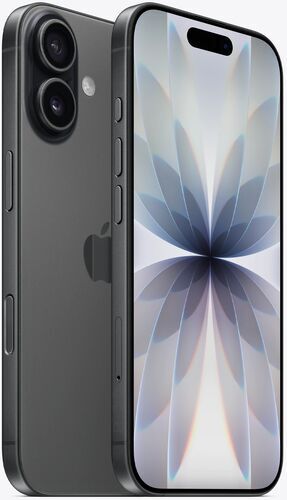
One manufacturing detail behind each phone
Beyond the spec sheet, each manufacturer discloses one distinct production or sourcing detail, though not all to the same degree.
Apple redesigned the iPhone 17's packaging to fit 35% more devices per shipping pallet than the iPhone 16, a concrete transport efficiency gain, even though Apple doesn't publish the resulting CO2 saving per phone. Samsung introduced 15% recycled tantalum in certain Galaxy S26 capacitors, with the phone containing over 21.2% recycled material overall according to Samsung's own environmental report. Google designed the Pixel 10's internals with colour-coded touchpoints and high-contrast screws to guide battery replacement, though independent repair guides note the rear glass still needs careful removal first. Xiaomi's silicon-carbon battery in the 17 packs in 16% silicon content, with Xiaomi's own testing claiming at least 80% capacity remaining after 1,600 charge cycles.
OnePlus is the outlier: unlike the other four, it hasn't published a model-specific environmental report for the 15, so its sourcing story is the least transparent of the five.
The environmental case for buying refurbished
Buying any of these five refurbished carries a verified environmental saving over buying new, based on Fraunhofer Austria's lifecycle research (ISO 14040/14044 verified).
↓ iPhone 17 (256 GB): SAVED 70.8 kg CO₂e, 26,494 L water, 154 g e-waste (84% less CO₂, 88% less water than new)
↓ Pixel 10 (128 GB): SAVED 83.4 kg CO₂e, 31,043 L water, 178.7 g e-waste (86% less CO₂, 89% less water than new)
The Galaxy S26, Xiaomi 17 and OnePlus 15 are too new for Fraunhofer to have published model-specific figures yet, but the pattern holds across refurbished smartphones generally: most of a phone's environmental footprint comes from manufacturing it, not using it, so buying one that already exists avoids the bulk of that impact.
Based on scientific research by Fraunhofer Austria, calculation model verified according to ISO 14040/14044 standards.
iPhone 17 vs Galaxy S26 vs Pixel 10 vs Xiaomi 17 vs OnePlus 15: FAQs
Which of these five phones has the best camera?
There's no single winner. The Pixel 10 leads for long-distance zoom and reliable auto shots, the iPhone 17 for video and selfies, and the Xiaomi 17 for sheer camera hardware. Pick based on what you shoot most often.
Is the iPhone 17 or the Galaxy S26 the better all-around buy?
It depends on your ecosystem. The Galaxy S26 is lighter and more customisable with Samsung DeX; the iPhone 17 wins on video quality and Apple device integration. Both are excellent all-around phones.
Which phone lasts the longest on a single charge?
The OnePlus 15, by a wide margin. Tom's Guide recorded 25 hours 13 minutes of continuous use, ahead of the Xiaomi 17's 24 hours 48 minutes and well ahead of the Galaxy S26's 11 hours 28 minutes.
Do refurbished versions of these phones come with a warranty?
Yes. Every phone bought refurbished on refurbed includes a minimum 12-month warranty and a 30-day trial period, regardless of which of these five models you choose.
Which phone will get the longest software support?
The Galaxy S26 and Pixel 10 tie for the longest runway: 7 years of security updates each, through 2033 and 2032 respectively. That's a meaningful factor if you plan to keep the phone for years.
Browse all five, refurbished
Compare condition grades and prices for the iPhone 17, Galaxy S26, Pixel 10, Xiaomi 17 and OnePlus 15, all professionally tested and covered by warranty.

Sign up for our newsletter for the first time and save €15!
Never miss an offer again.
Information about the use of personal data can be found in our Privacy policy.
Get the refurbed app
For iOS and Android


Confirm sign-up
Almost done: We’ve sent you a confirmation email
- © Refurbed Marketplace GmbH
- Accessibility
- T&C
- Privacy Policy
- Imprint
- Legal Notices
- European Data Act
- Cookie Policy